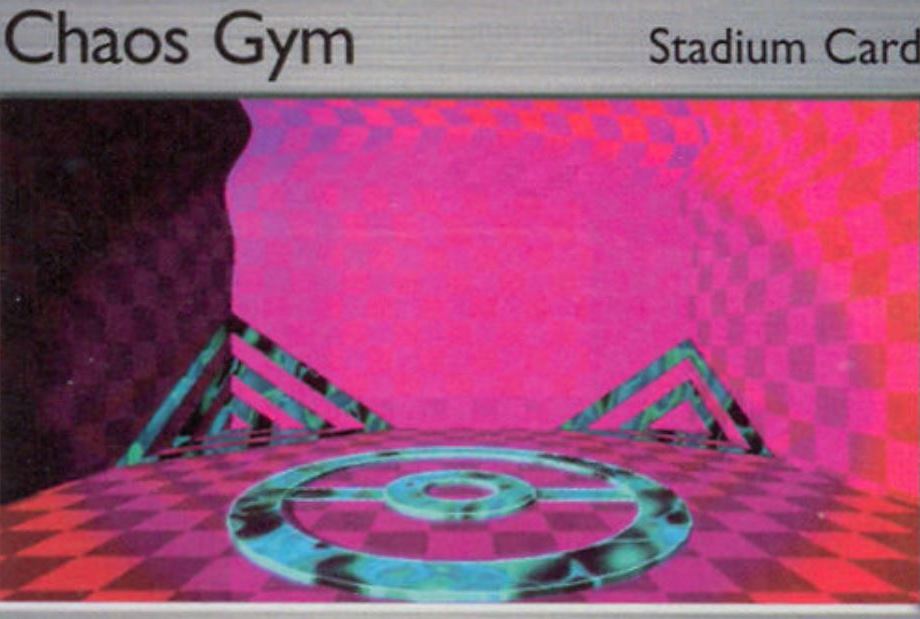
Let’s Talk About the Writing on the (Gym) Wall – Coins Will Be Flipped.
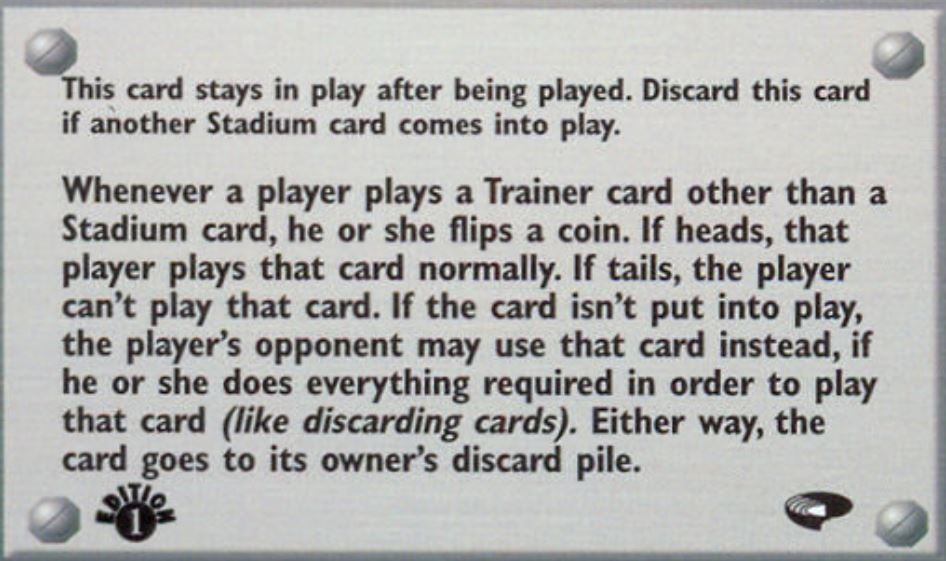
Updated 2025.10.21: Updated link to recent testing and clarified Trainer usage.
Between the Gym Heroes and Gym Challenge sets, fourteen Stadium cards are legal in Prop 15/3. Unfortunately, Chaos Gym stands out among its peers as uniquely disruptive. As first seen in Jason’s Wigglytuff/Blaine’s Rapidash deck’s performance at Brew City Showdown, Chaos Gym packs a punch. And unfortunately, recent testing is leading me to believe the Stadium is here to stay; decks with a critical mass of Trainer-like Pokemon and/or a quick setup will continue to leverage the potential of this stadium.
Playing with Chaos Gym
Decks with Chaos Gym get to control when and if it enters play. Generally, it’s best to play the card with a full hand and a good position on the board; if your position is better than your opponent’s, they will have to risk playing Trainers into Chaos Gym.
Once Chaos Gym is in play, and with an apparent advantage, often it is correct to hold Trainers until a later stage in the game. But, take note of Trainers that have a cost associated with them: they can often be played with much less risk when scenarios present themselves. Some of the more prominent scenarios are as follows:
- PlusPower / Defender – these are put into play and cannot be played by the opponent.
- Computer Search / Item Finder – if the opponent has one or fewer cards, they cannot play the card!
- Item Finder / Nightly Garbage Run – if the opponent has no relevant cards in their discard, there is little-to-no risk to play the card.
- Super Energy Removal – if each of your Pokemon only have maximum a single energy card attached, the worst case scenario is trading single energy cards with the opponent.
- Super Potion / Pokemon Center / Scoop Up – the placement of energy and damage can result in little benefit for the opponent to play the card.
- Lass – the opponent playing the card is the same outcome (though, I am not sure it makes sense to play this in a Chaos Gym deck)!
- Gust of Wind – with only free retreaters or no Pokemon on the bench, there may be less risk to playing the card.
- Erika’s Maids / Brock’s Training Method / The Boss’s Way – often, decks will not play the Owners Pokemon affected by these cards.
- Professor Oak – when the opponent has a large hand, they have a higher probability of declining to play the Oak if you fail the flip.
- Computer Error – it’s better if the opponent plays it (as your turn doesn’t end)!
If you’re falling behind or becoming even with the opponent, it may be prudent to take a risk and play a Trainer (or multiple Trainers) into a Chaos Gym. It takes some practice to get a feel for risk/reward in these scenarios; I recommend not playing cards if losing the flip looks like it will put you insurmountably behind and you’re not currently behind (unless you think the risk of losing is worth it).
Though, an alternate strategy-supporting Stadium can also be used discard your own Chaos Gym! In this scenario, build up impactful Trainers in hand and do not risk any of them into the Gym. When the alternate Stadium is drawn, play it to discard the Chaos Gym, unleash the backlogged Trainers and even consider using Item Finder or a second Chaos Gym to further oppress the opponent prior to ending the turn. Narrow Gym is my favorite gym to include solely to facilitate this play (as it returns benched resources to hand).
Playing against Chaos Gym
Many of the play patterns above are relevant when the opponent plays Chaos Gym, but they will often use as many Trainers as possible prior, leading to you being behind. My gut tells me to risk Trainers into the Gym when they would normally be played if you need them to develop (and cannot win or keep pace on the board). This forces the opponent to take a risk to catch up if you succeed. Just take special care to not hand over control of the game on a failed flip (such as allowed them to search for a critical Pokemon) unless it’s absolutely necessary.
Against decks that leverage Chaos Gym, try to play Trainers as soon as possible for benefit (before Chaos Gym is played). This means using some Trainers prematurely- best use them without risk when possible.
“Discard this card if another Stadium card is comes into play.”
The more I’ve played 15/3, the more I think most of the 14 stadiums in the format appear to have a competitive application. Each of them can remove a Chaos Gym from play, but they have to (1) be drawn after, (2) be held in hand until or (3) risk flipping a coin for an Item Finder, Computer Search or other consistency trainer to be accessed after the Chaos Gym is played.
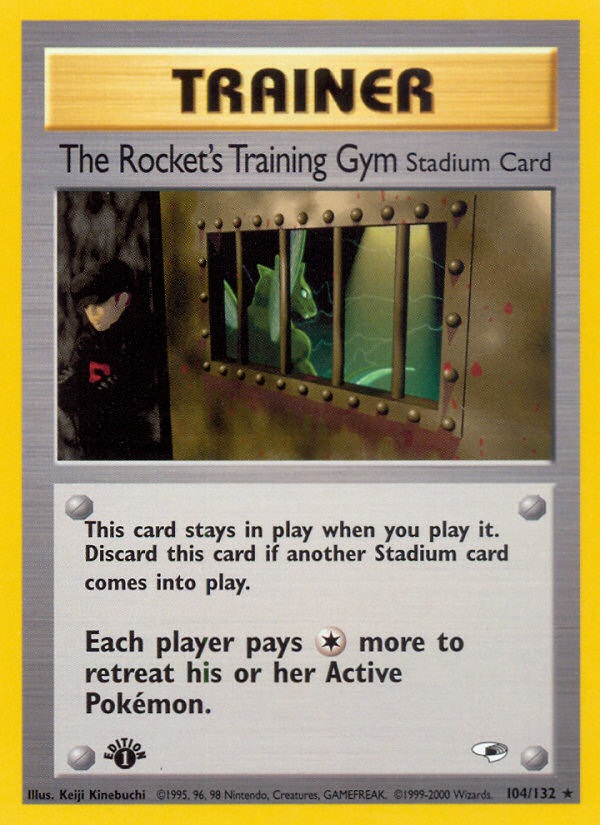
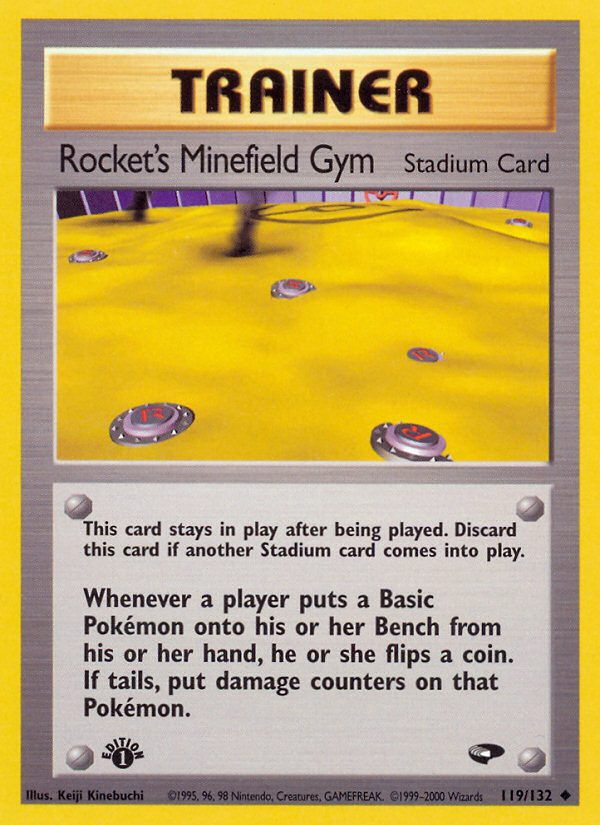
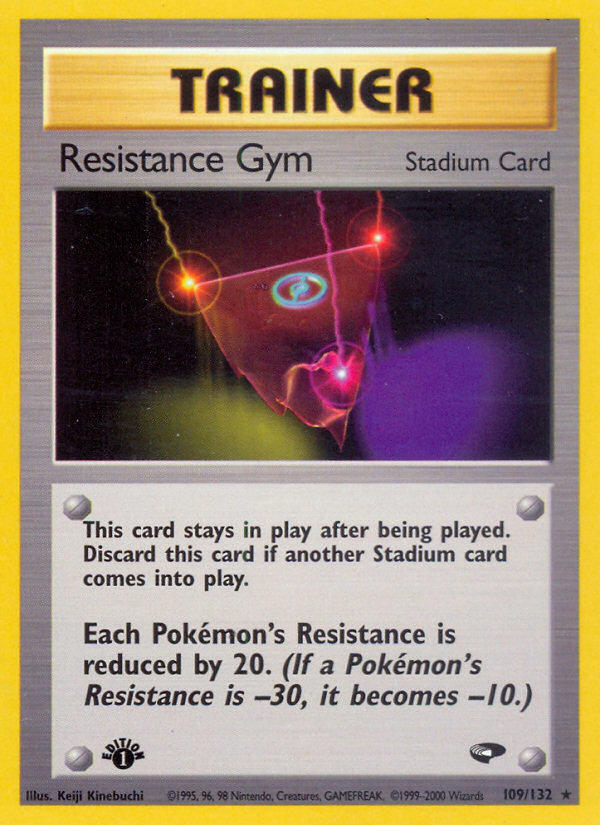
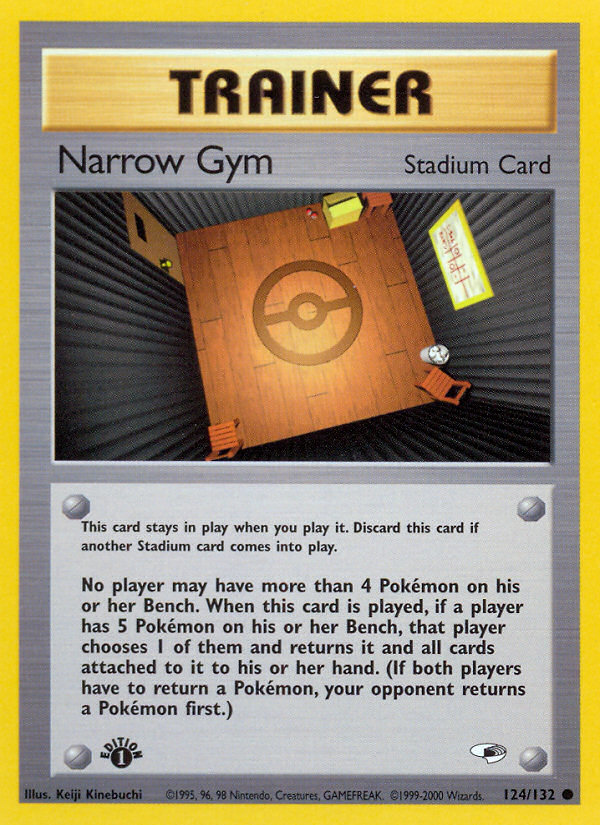
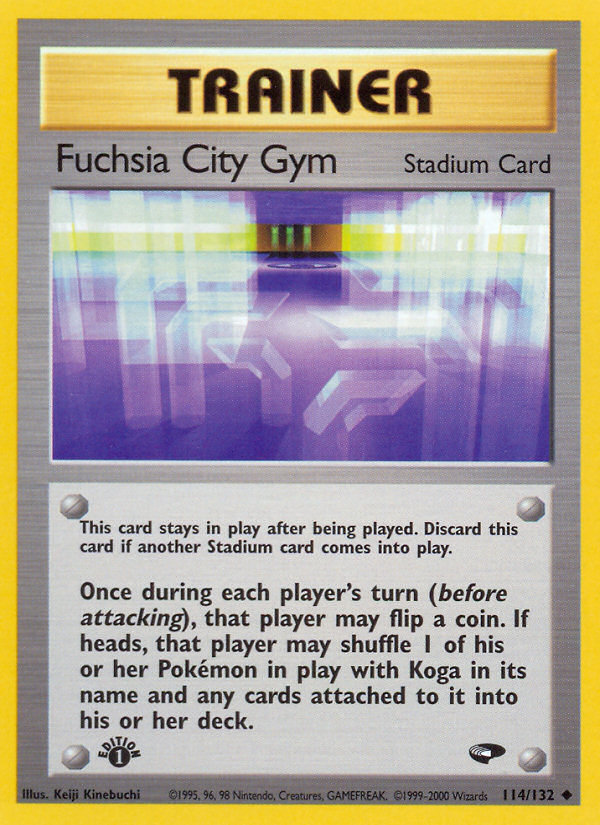
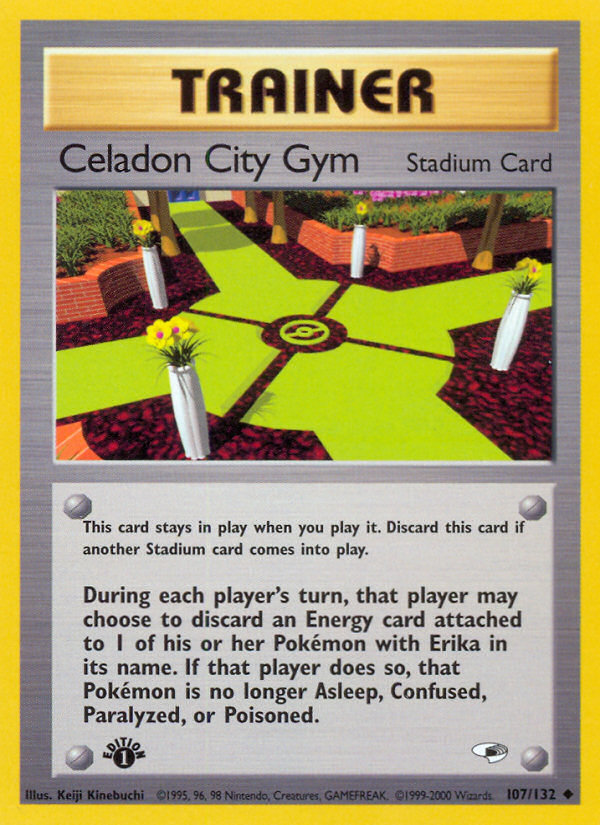
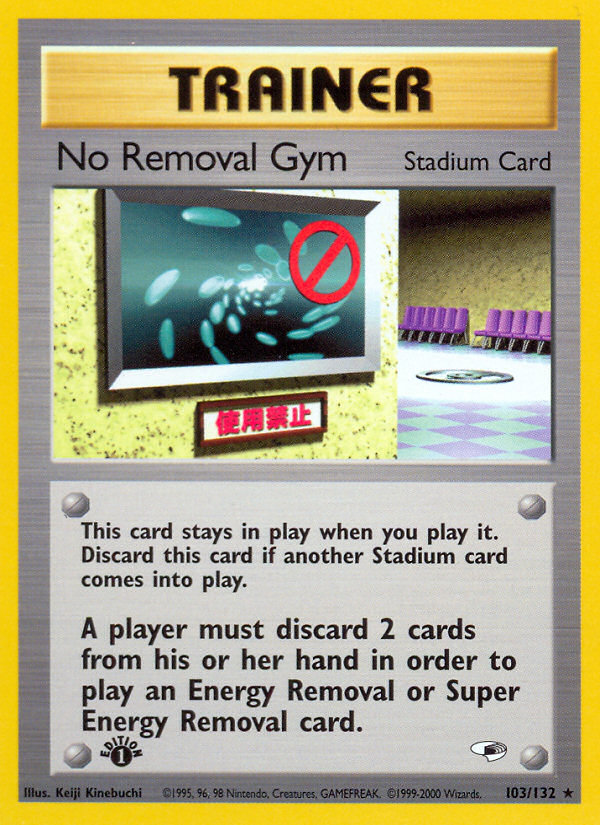
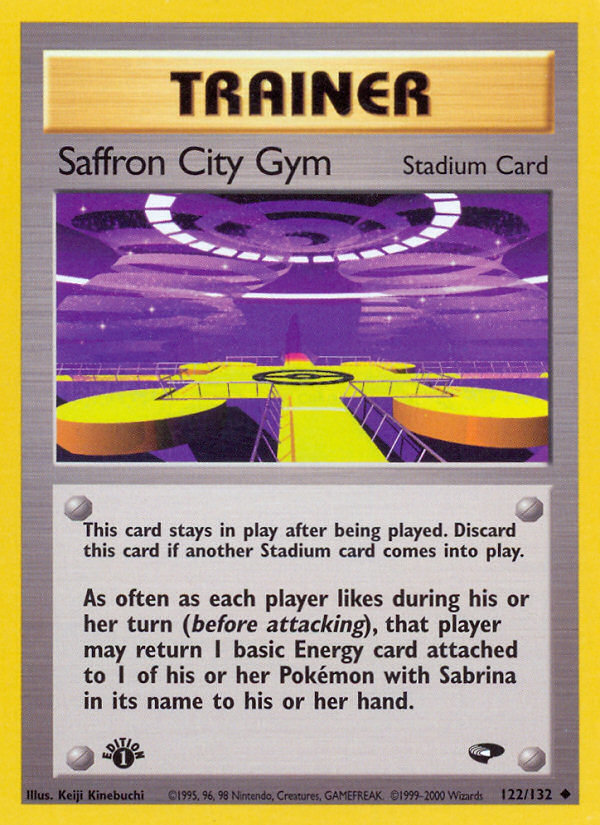
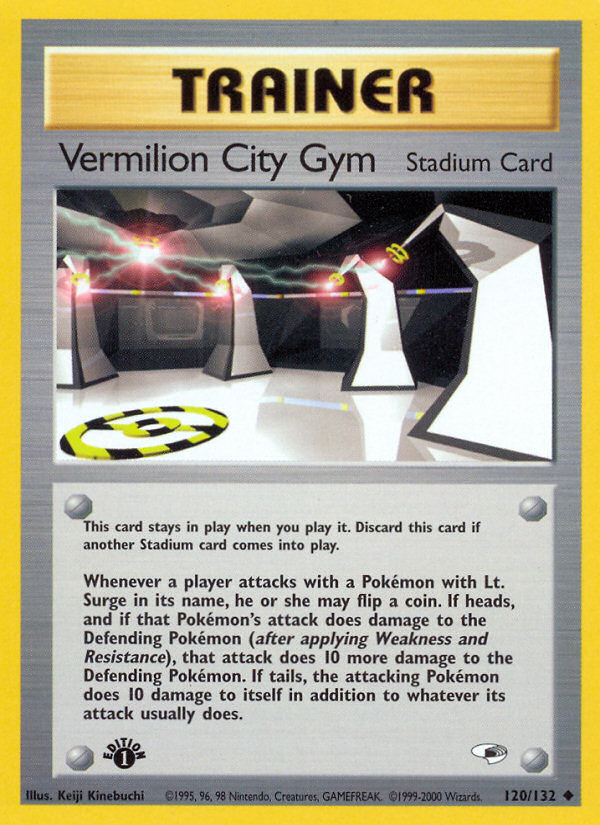
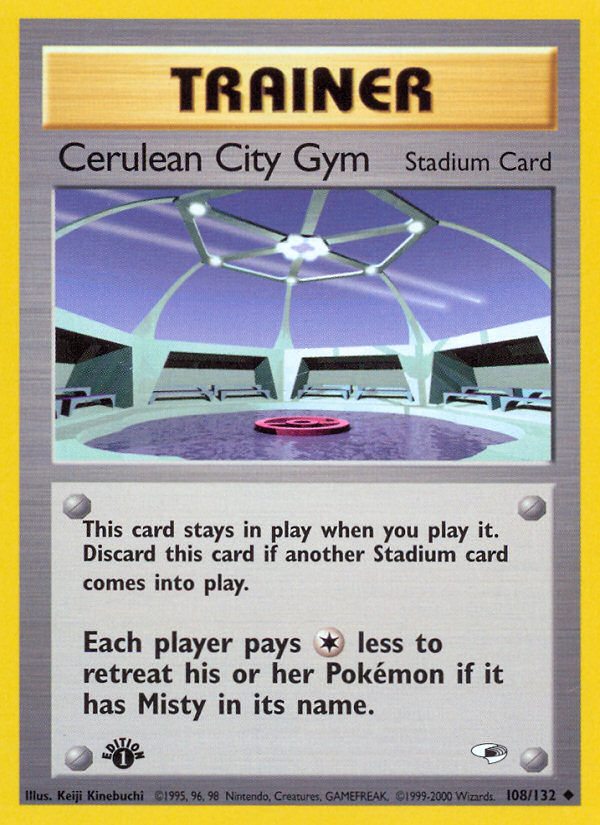
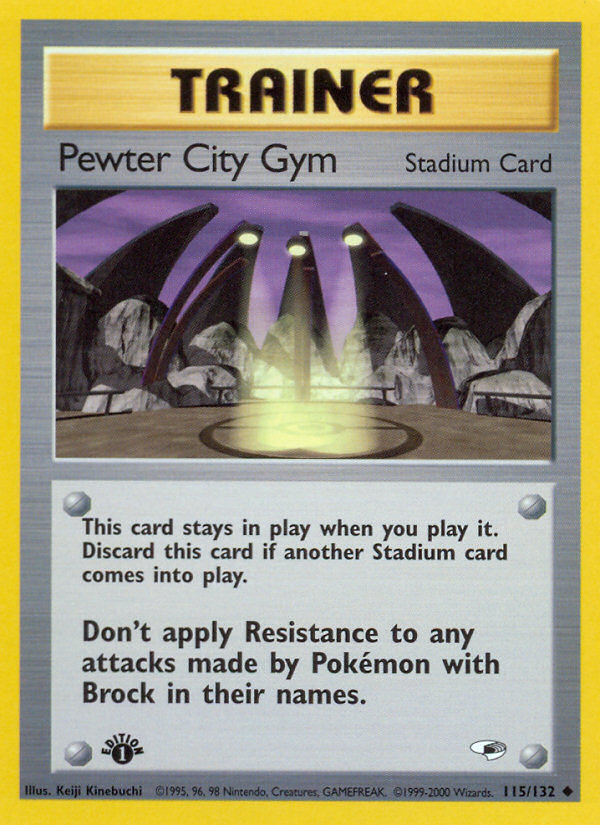
Most of the time, I recommend only playing Stadiums if they truly support a deck’s strategy or are disrupting a common opposing strategy or tactic: playing a Stadium only to remove Chaos Gym is sacrificing a crucial Trainer spot (and part of a deck’s power) for only a small chance at Stadium removal.
 Retro Trading Card Games