Introduction to 15/3
After getting the itch to play WotC-era Pokemon TCG and reading Jason Klaczynski’s blog, I fell down the rabbit hole of (Base-Gym) Prop 15/3. (Note: Jason’s blog is mandatory reading before proceeding!) I’ve been playing for about 9 months at the point of writing the following musings (mostly on webcam and on TCGOne Career mode) and believe that I have a sense of the most competitive decks. It’s my intent to explore through this blog how a competitive, mass-adopted Prop 15/3 metagame may have developed given enough time (and share those findings for any others interested in trying the format)!
Played for a single, high-profile tournament in the 2000 East Coast Super Trainer Showdown, the format was discontinued by Wizards of the Coast after the event (and appears to have mostly been viewed as a failure). Jason’s exploration into what the format could’ve been via his blog has resurrected the idea of playing WotC-era Pokemon with restrictions, but 15/3 has proved to be quite divisive, similar to the Base-Gym format that shares its card pool.
There were a few smaller events for Prop 15/3 held in the early 2020s, and the Pokemon 1999 Discord Webcam Leagues have been playing off and on. But excitingly, the format has received some attention in late 2024 via some sizable tournaments featuring new deck lists. The first event, The Mana Vault’s Brew City Showdown, showcased how decks in Jason’s blog might compete against various Base-onward Haymaker styles with Blaine’s Rapidash/Wigglytuff/Muk and Wigglytuff/Rocket’s Zapdos decks ending at the top. The second event, the TCGOne.com-hosted Prop 15/3 Mega Battle, showed a greater variety of decks than the Brew City Showdown, but again Muk and Rocket’s Zapdos squared off for the top finish (though with new accompaniment).
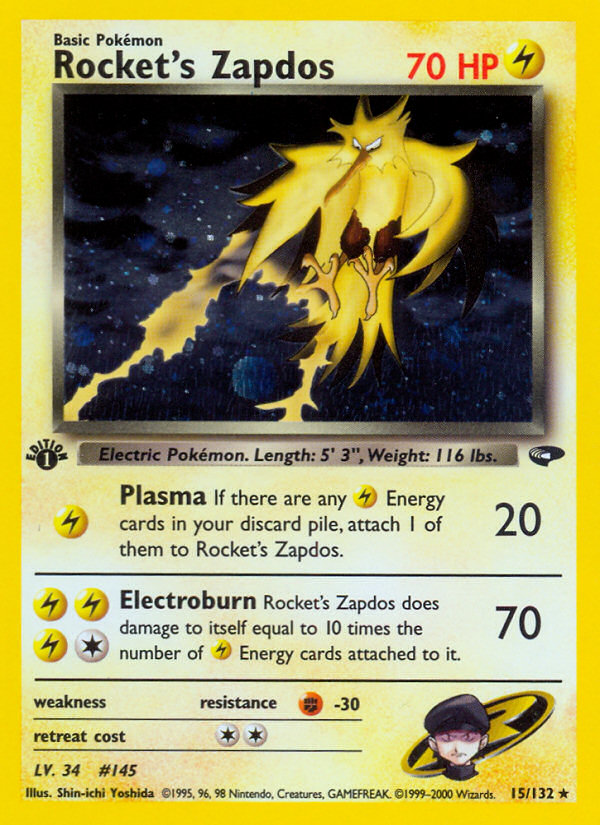
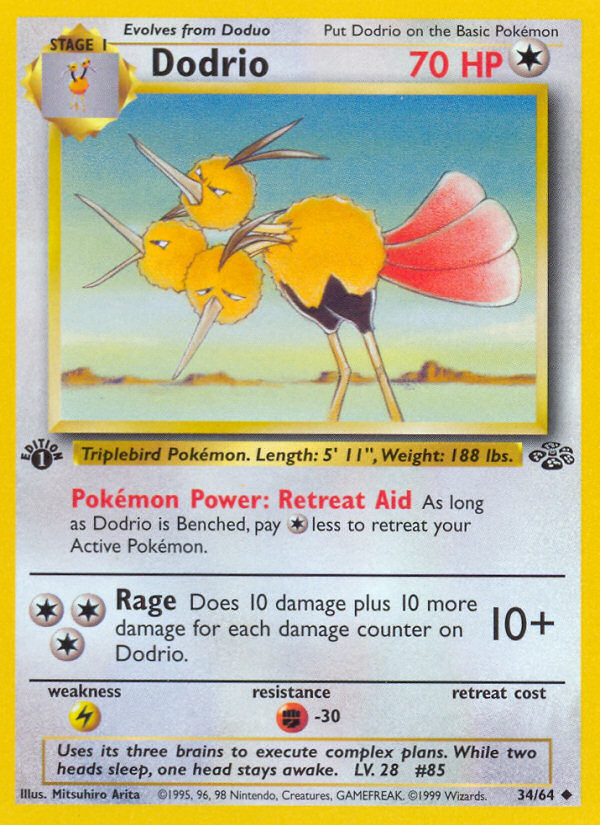
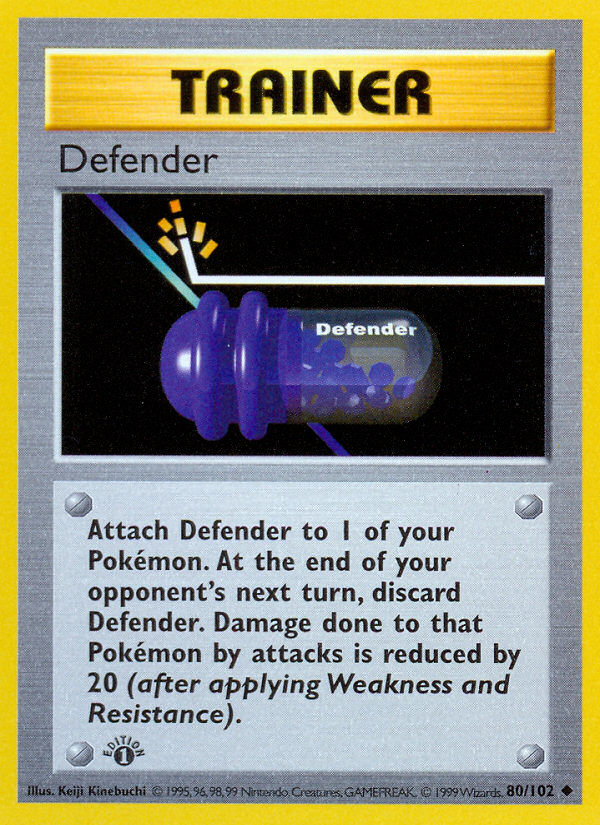
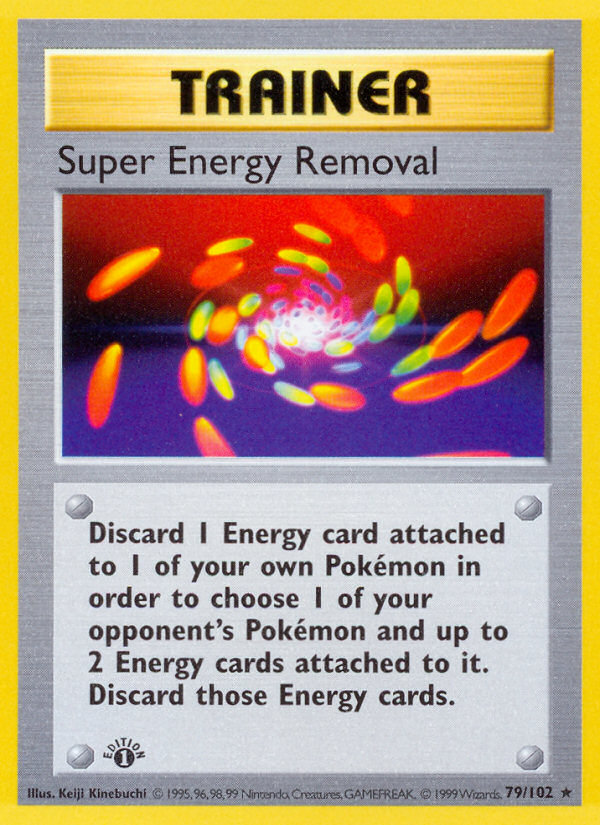
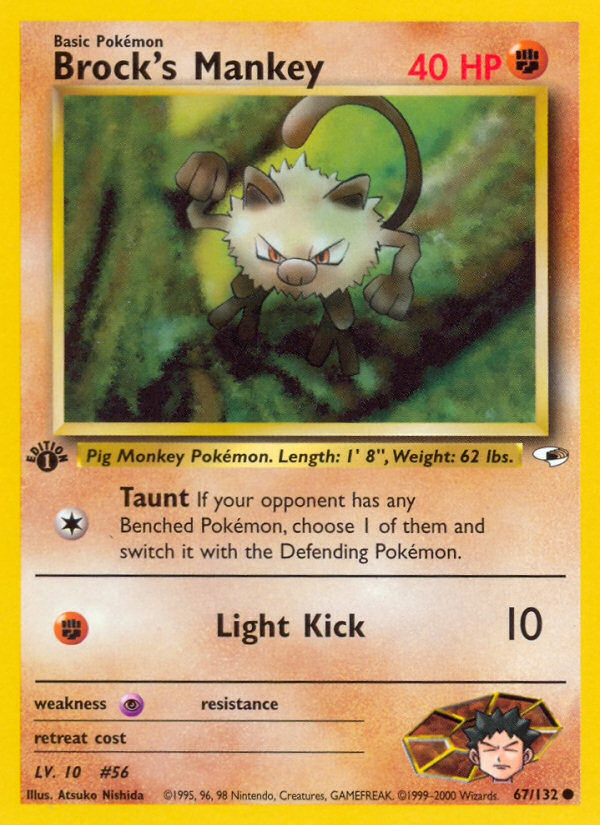
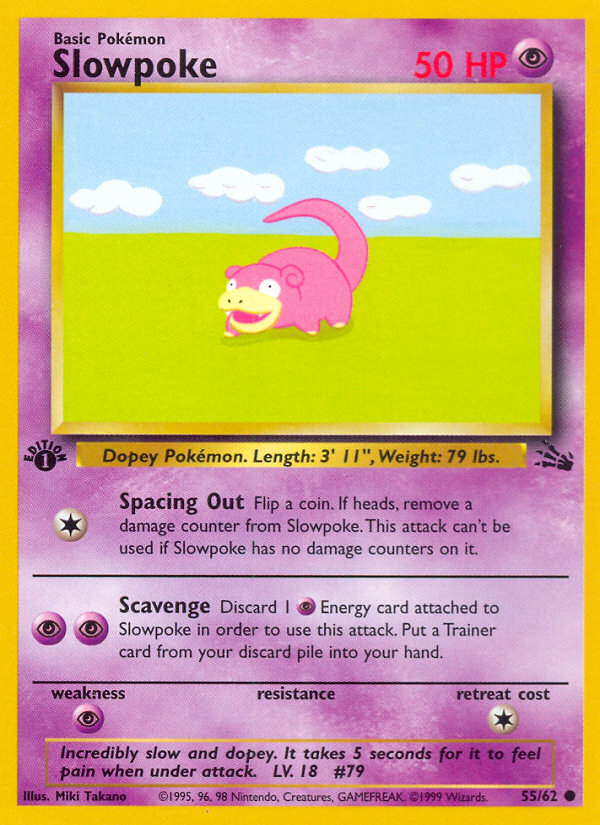
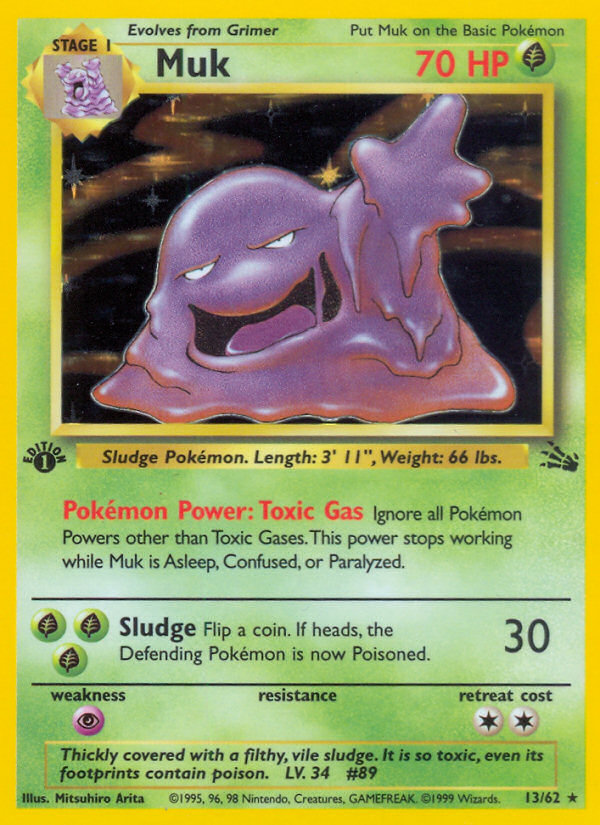
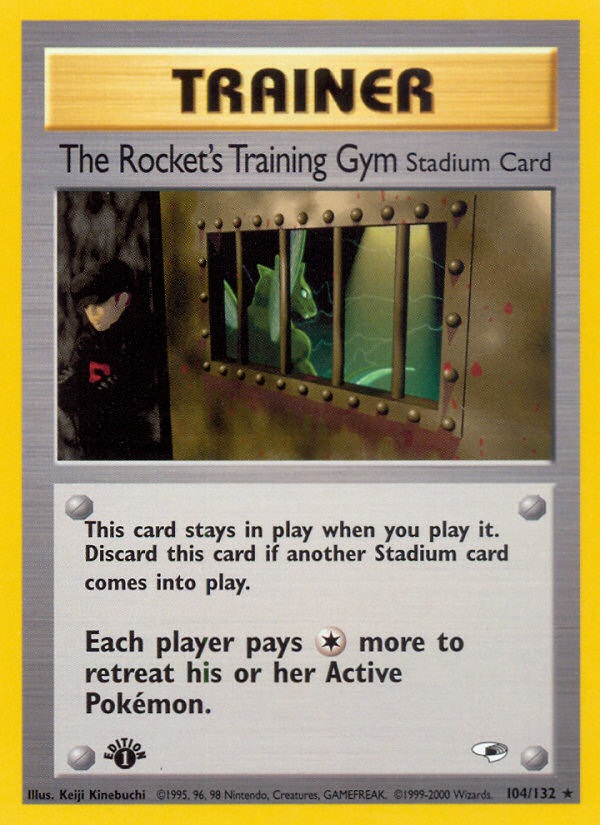
In other areas, we will dig into the implications of these tournament results. But for now, let us consider:
Why You Might Consider Playing (Base-Gym) Prop 15/3
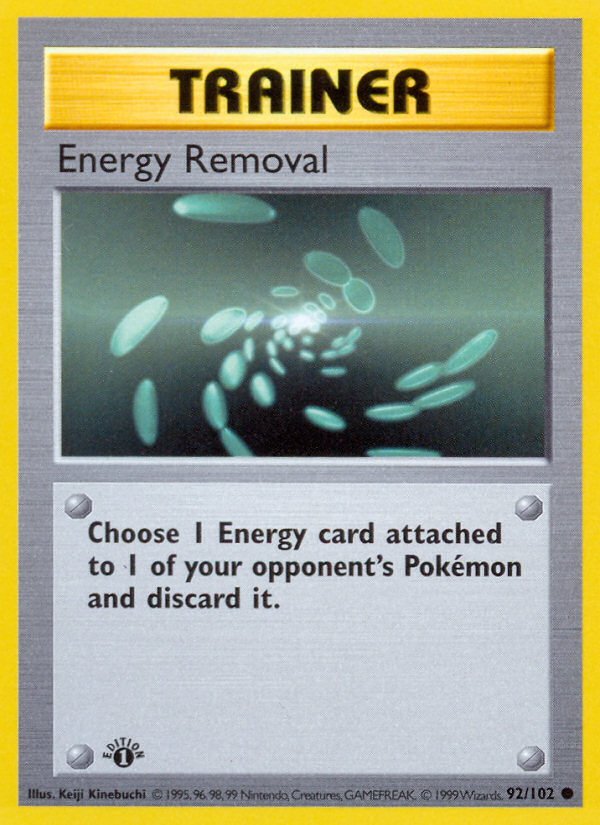
I see Prop 15/3 (Base-Gym) as a companion format to Base-Fossil for Generation 1 enthusiasts! While the velocity of games are much more varied due to lack of Trainer density, and the decreased quantities of each card adds a variety of playable cards with new abilities, the core game play of Base-Fossil (Energy Removal is the law, managing actives leads to advantages, thoughtfully using resource and slower-on-average prize acquisition) remains!
Playing with New (Old) Cards and New Decks
“[…]powerful setups of multiple Evolved Pokémon that are sure to overpower your opponent. This is when Prop 15/3 actually becomes pretty fun.” – Jason Klaczynski, A Second Look at Prop 15/3
When looking at the available information on competitive 15/3, one might assume that if a deck isn’t playing a disruptive Muk or an aggressive Rocket Zapdos (or maybe Wigglytuff) that it’s going to have a hard time winning against those that do. The format is still relatively underexplored, and there are a lot of the first generation of Pokemon that look competitive on paper (even if seemingly unproven in a higher-stakes environment) to challenge the current top strategies. If you like building decks for different Pokemon and testing matchups, 15/3 offers a wide-open playing field!
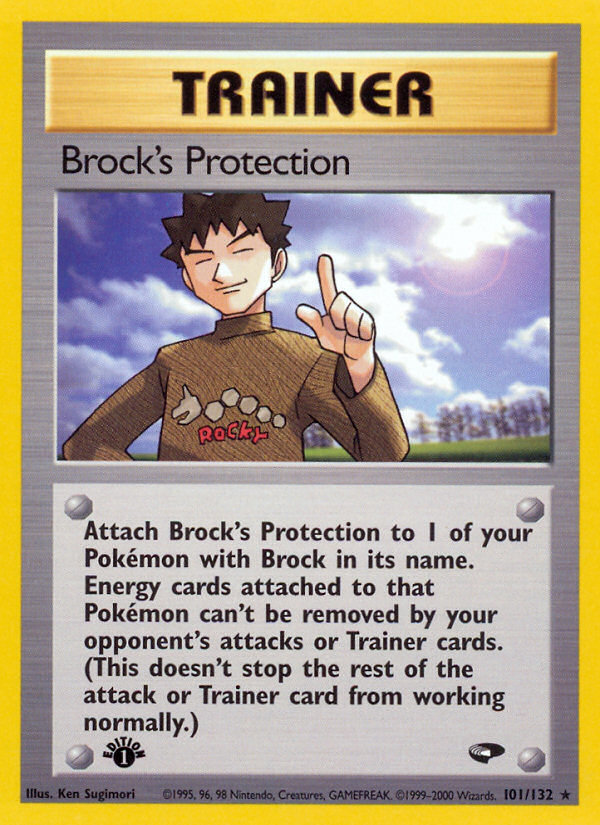
For the time being (at the end of 2024), I suggest trying to build decks to beat both lock decks (Scoop Up works wonders, though Brock’s Protection and other Trainers may also do the trick) and lightning-based aggressive decks (Super Removal is a good counter for their best attacks, and hitting for weakness or copying Rocket Zapdos’s attack goes a long way to winning) as a viability benchmark.
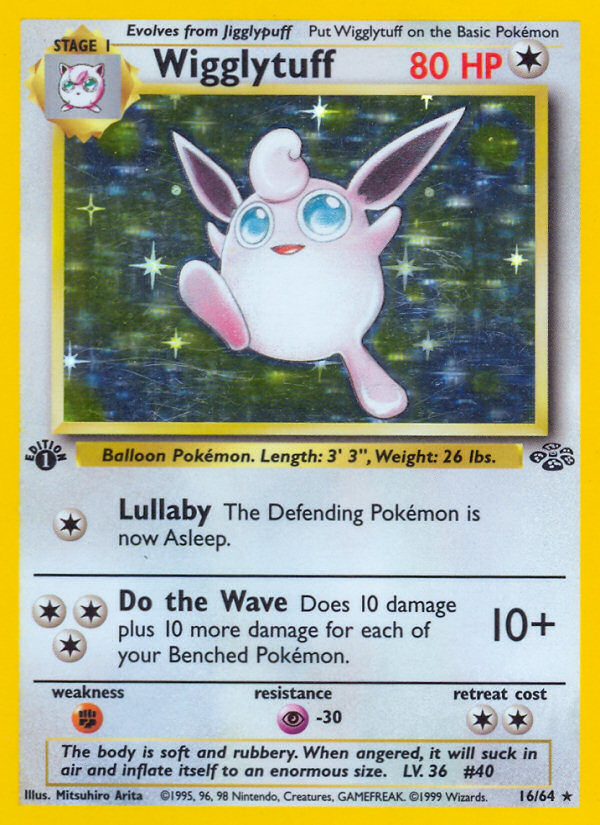

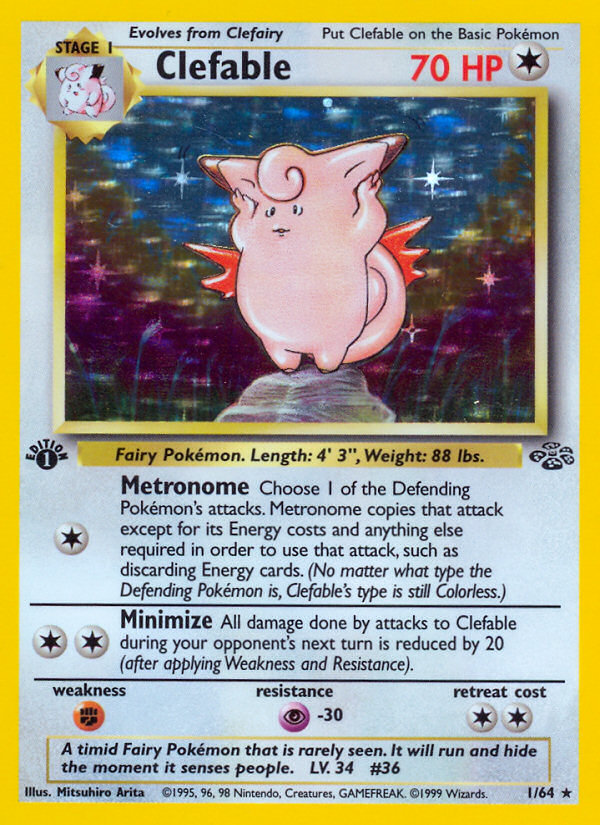
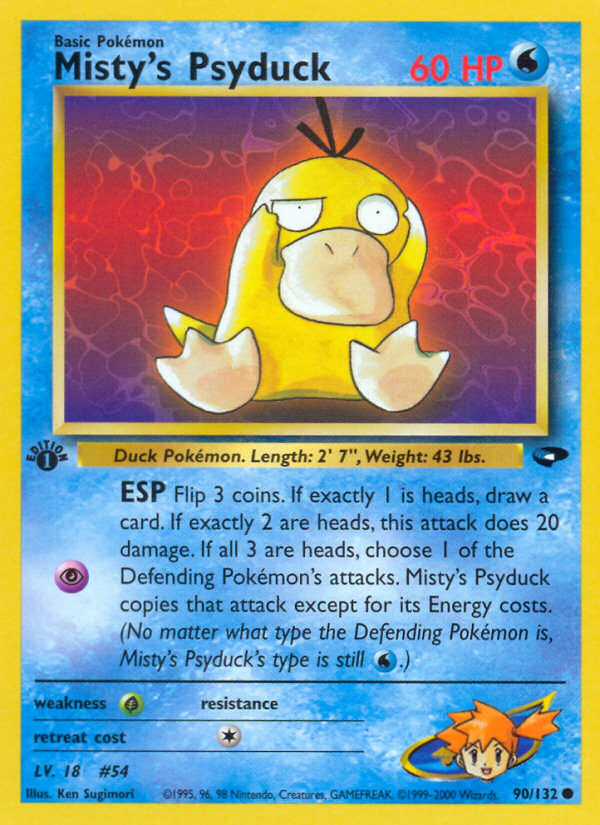
With the lessened density of Trainers, many Base-Gym Pokemon are looking for their time to shine! Some examples of lesser-played but competitive Pokemon may include:
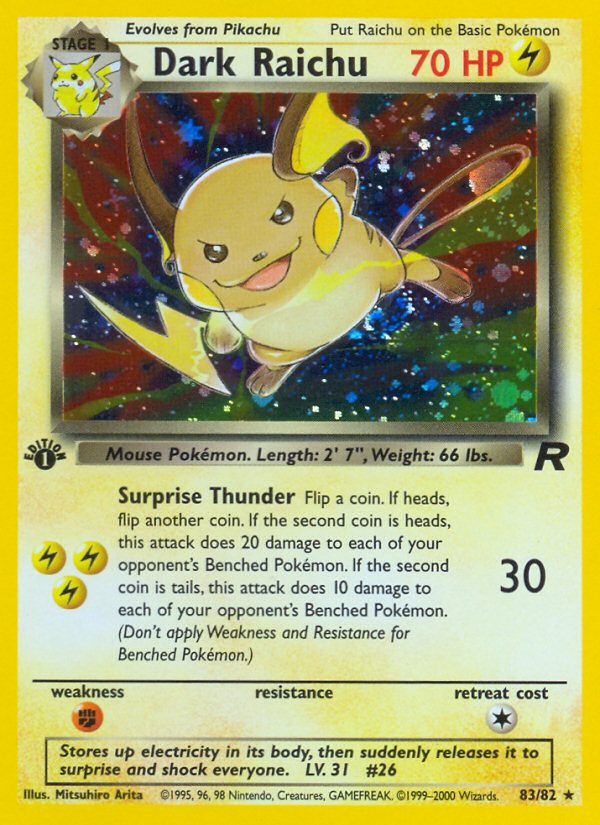
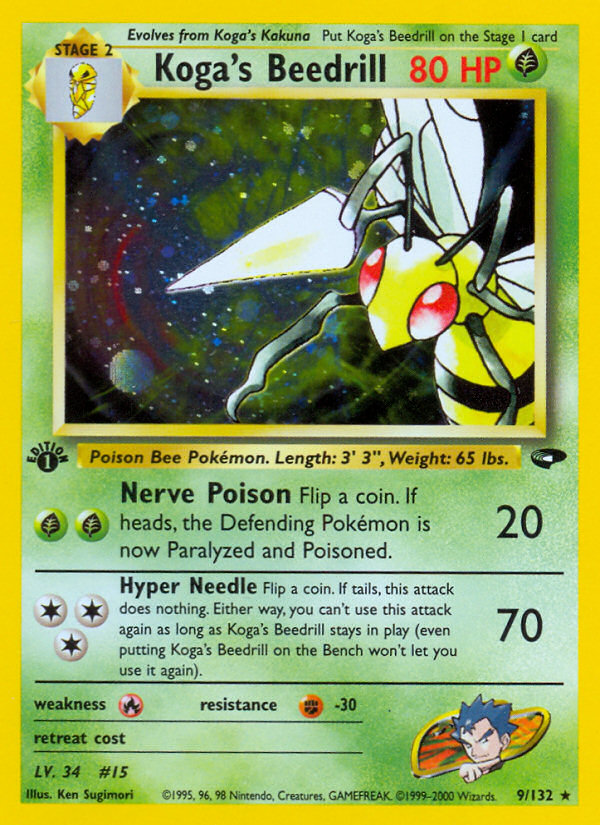
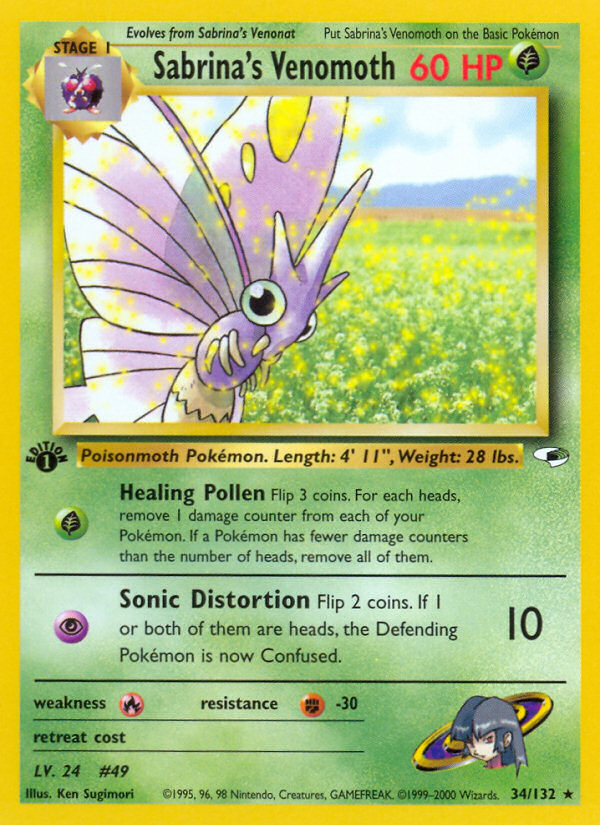
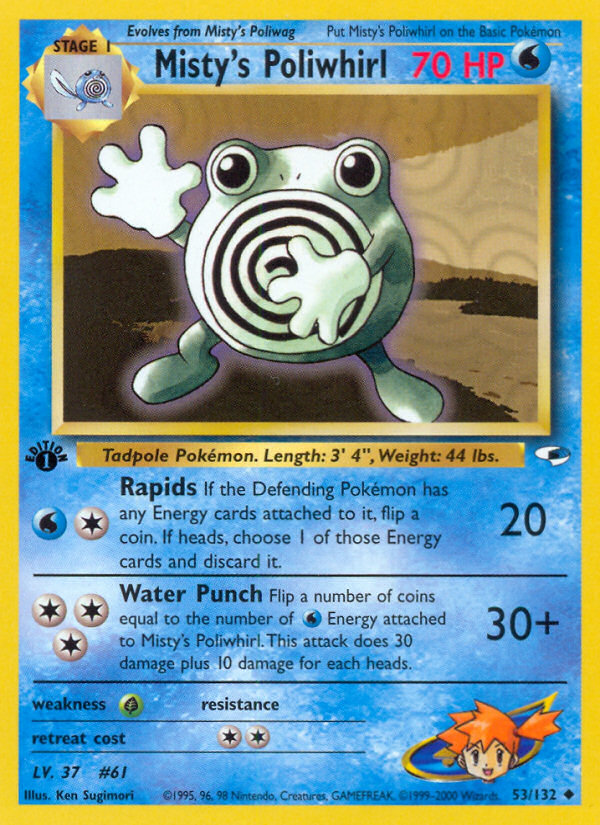
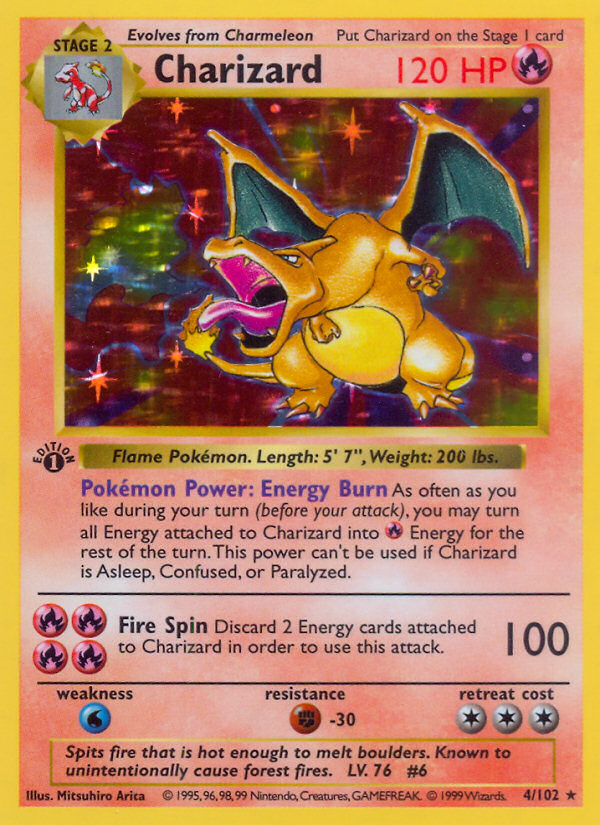
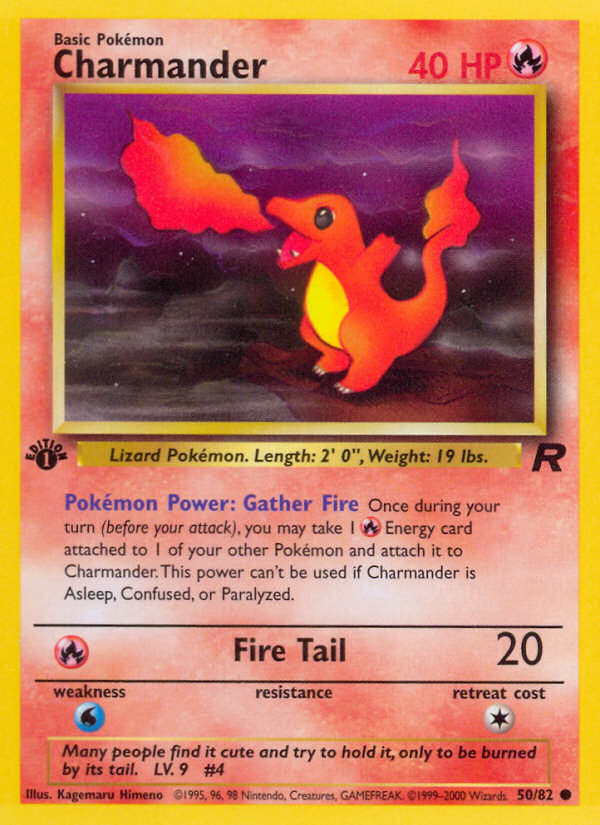
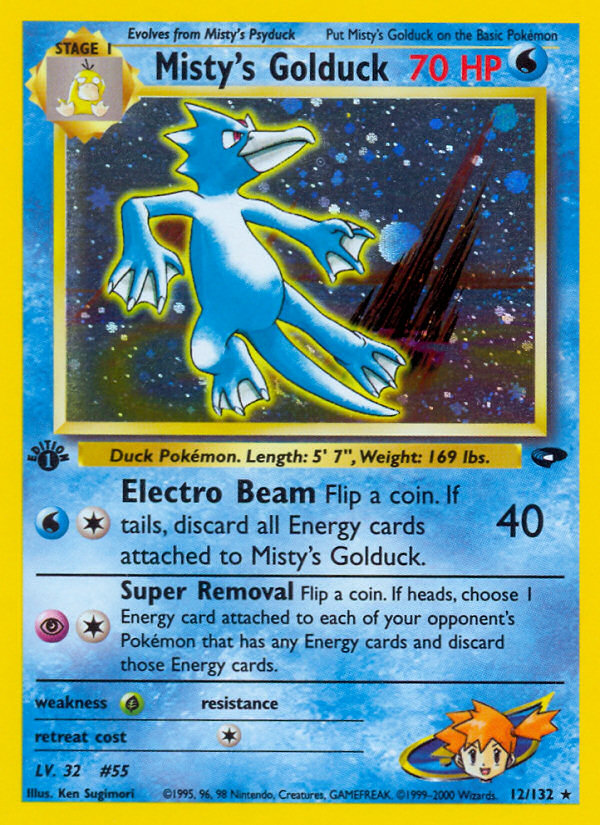

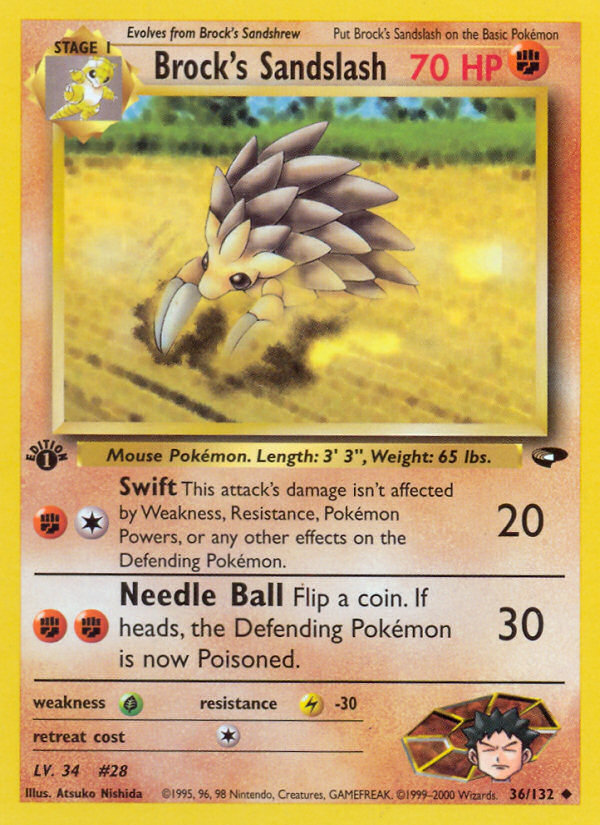
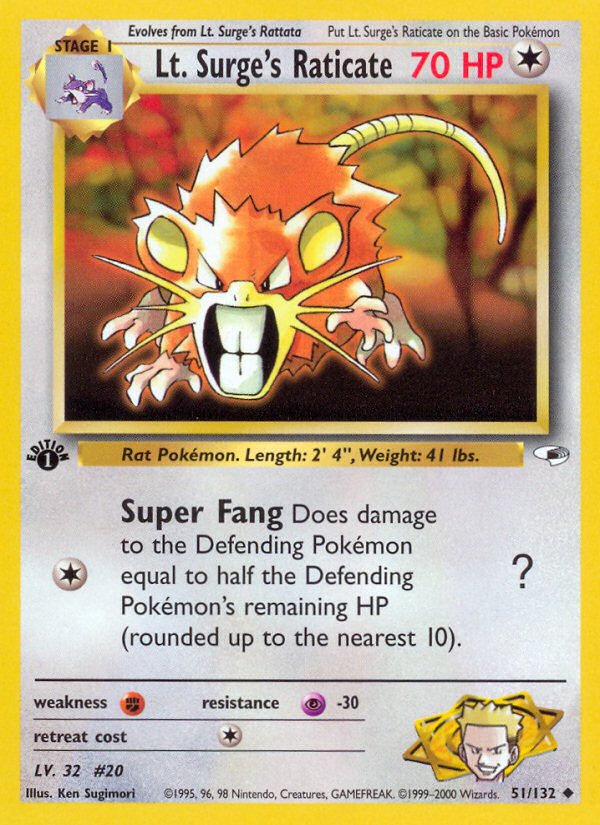
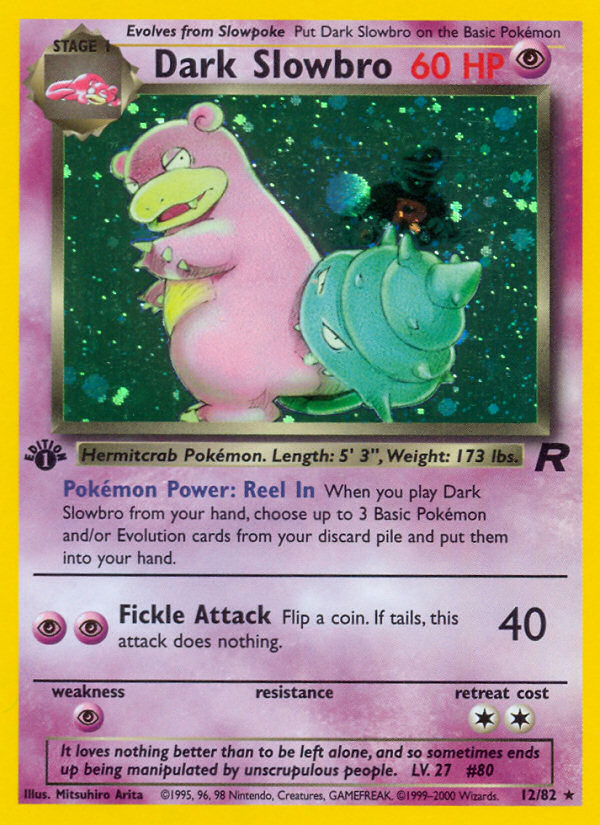
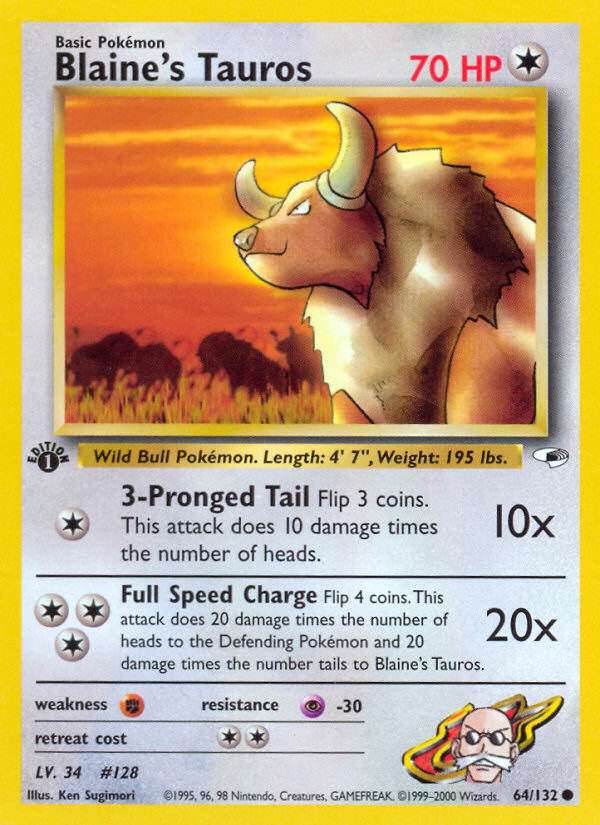
Please note that best of 1 favors decks with less variance and stronger-on-average basics; the Mega Battle was all Best of 1 (4 Rounds Swiss and then 3-1 record or better to Top 8 Double Elimination). Any deck featuring 30-50HP Pokemon can quickly lose to 20-damage, 1-energy attacks, and in best-of-1 gameplay, these decks will have a higher chance of underperforming in small sample size (when the deck might contend with or beat the “best” decks regularly).
Finding the correct mix of Evolving Basics and/or Trainer-like-effects on Pokemon to support a deck strategy can be the difference between winning and losing a tough matchup. One of the exciting parts of 15/3 deck building is discovering which Stage 1 and Stage 2 Pokemon can be supported (like Dark Muk, Charizard, Misty’s Poliwhirl, or Koga’s Beedrill) to shine. Don’t give up working on a promising idea just because no one has popularized winning with it up until the present; there are competitive, fun and different ideas hiding in the Team Rocket and Gym sets!
Updated last 2024.12.09, the updated metagame analysis covers the current “best” decks, linking to further details and how to interact with the strategy.
I’ve also created a Prop 15/3 (Base-Gym) deck-building guide, where I break down perceived strong card combinations by which to base a deck (and link to an overview of the cards in Base-Gym that I assume have some competitive application in 15/3).
Thoughtful Game Actions, Limited Trainer Spam
The format is rooted in tactical gameplay to achieve strategic results. Patient, planned actions supporting a deck’s focus will lead to games won.
As belabored across this blog, 15/3 is defined by its 15-Trainer, 3-Copies-of-a-card limit. This translates into game play having much more infrequent Trainer plays (only a few turns a game will most likely have more than a single Trainer played) and less overall occurrences of a specific Trainer, leading to the bulk of game play being between each players’ Pokemon (as intended)! The velocity of a deck may seem to race at one or two moments during a game, but it will often slow down and depend on managing one’s Pokemon in play. Trainers will only supplement the strategy of the deck; the Pokemon must carry the burden of defining a deck’s strategy.
And while some games may be decided by only a single player having access to Professor Oak, many more will be decided by decisions that each player makes while using the Trainers they draw, managing which of their Pokemon should be active and deciding where (or when not) to attach Energy cards. One (or more) of these decisions can be the difference between winning and losing a game of 15/3, and incorrect plays may not be apparent until many turns later, so don’t get discouraged while learning which avenues prove to be fruitful against the variety of opposing decks!
[Forthcoming post- TO BE LINKED] Learn more about crucial play patterns across Prop 15/3 decks.
Ways to Play
Most recent tournaments for Prop 15/3 are hosted through Limitless. It is a great resource to see what people are playing!
TCGOne
TCGOne is a fan-made simulator where players may play Prop 15/3 (and many other fun, older Pokemon formats). The developers, with feedback from Jason K. and other community members, have implemented errata to the WotC-printed Pokemon cards where they were mistranslated (and also plays with the Japanese rulings, overwriting the WotC Rules Compendium where applicable).
Some major differences from the WotC Compendium: (1) copying attacks must discard energy (like with Clefable’s Metronome) and (2) if an attack does not occur (due to Smokescreen or similar), discarding energy costs are not paid.
Career Mode
Career Mode is a fun way to enjoy casual Prop 15/3, but due to promos being difficult to procure, it is not a great way to test the format.
QuickPlay Mode
Newly implemented in September 2024, QuickPlay is one of the better ways to play Prop 15/3, though without planning games with another user outside the application, finding an opponent can take a little while. Upon adding the format, TCGOne user Misnos donated prizes and Jason K. hosted the 2000 Prop 15/3 Mega Battle (where he showcased a new deck, Slowpoke Lock, and got 2nd to a Lightning Dodrio deck).
Paper Play
While Prop 15/3 (Base-Gym) was only played for one major event, and that event was using WotC rulings, I suggest using the same rule set as implemented on TCGOne for paper play.
Webcam Leagues (Pokemon 1999 Discord)
The Pokemon 1999 Discord runs monthly webcam leagues where players use paper cards to play Best-of-3 matches for 3-5 rounds over the course of a month, and it is where I’ve found players to test out new deck ideas. Join the discord if you’re interested in playing!
In-Person Events
Lastly (but not least!), playing in person is most likely the most enjoyable way to experience 15/3. GenCon (and other conventions) have had lower stakes or casual play in the past. Some players have organized destination events with prizing, such as the Brew City Showdown in 2024 or the Woodfield Mall event in 2021. And YouTube Content creators have played and recorded matches for all to see!



 Retro Trading Card Games